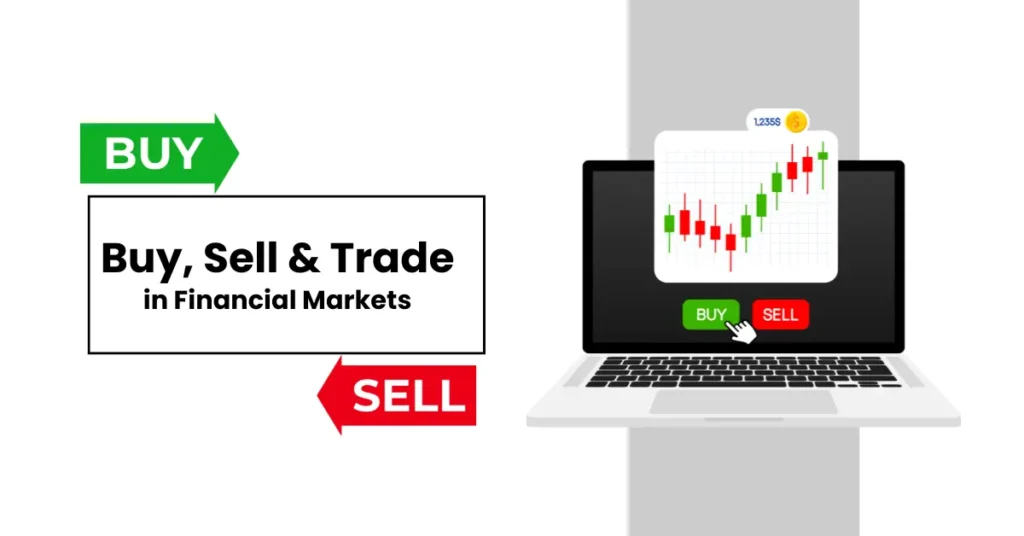
Buy, sell, and trade are the three core actions behind every financial market. Whether you are involved in stocks, forex, or cryptocurrencies, these actions determine how traders earn profits and manage risk. Understanding how buying and selling work is essential before entering any market.
When you buy an asset, you are expecting its price to rise in the future. When you sell, you aim to lock in gains or limit losses, sometimes even by selling short. Trading connects these actions through ongoing buy-and-sell cycles designed to benefit from market price movements. Just as important as acting is knowing when to hold and wait.
Originally published at https://marketinvestopedia.com
Today, online platforms have made trading accessible to almost everyone. Still, success depends on learning the basics, using the right tools, and managing risk properly.
How Buy, Sell, and Trade Work in Major Markets
Although the concepts stay the same, each market applies buying and selling differently.
Stock Market
In the stock market, traders buy shares in companies they believe will grow. Profits are made by selling shares at a higher price than the purchase price. Some traders focus on short-term price movements, while long-term investors buy and hold for years. Risk management tools like stop-loss orders are commonly used.
Forex Market
Forex trading involves buying one currency while selling another. Exchange rates move based on economic data, interest rates, and global events. Forex markets are highly liquid and operate nearly 24 hours a day, offering many trading opportunities but also higher risk.
Cryptocurrency Market
The crypto market allows users to buy and sell digital assets such as Bitcoin and Ethereum at any time. Prices can change quickly, making crypto attractive for short-term trading as well as long-term holding. Strong price swings create both opportunity and risk.
Trading Platforms and Essential Tools
To buy, sell, and trade, you need a reliable trading platform or broker. Most platforms provide price charts, multiple order types, market news, and demo accounts. Beginners can practice buying and selling without risking real funds, while experienced traders benefit from advanced tools.
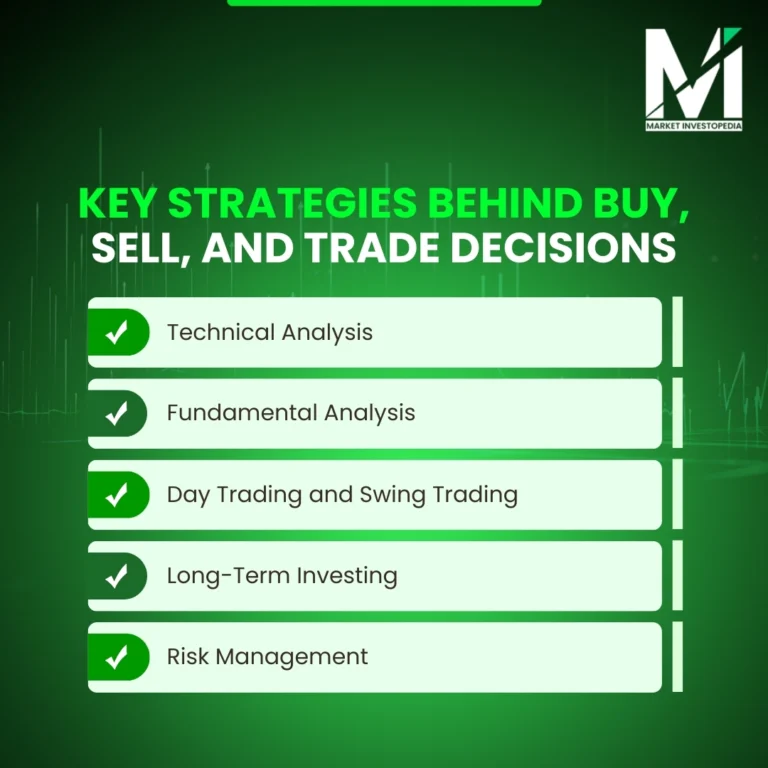
Popular Strategies Behind Buy, Sell, and Trade Decisions
-
Technical Analysis: Uses charts and indicators to identify entry and exit points
-
Fundamental Analysis: Focuses on economic data, earnings, and news events
-
Day & Swing Trading: Short-term strategies based on frequent buy-and-sell actions
-
Long-Term Investing: Buying assets and holding them for steady growth
-
Risk Management: Limiting losses with stop-losses and proper position sizing
Common Trading Risks to Avoid
Many beginners lose money due to emotional trading, overtrading, excessive leverage, ignoring market news, or failing to use stop-loss orders. Staying disciplined and following a clear trading plan helps reduce these mistakes.
Conclusion
Understanding how to buy, sell, and trade is the foundation of successful market participation. With the right knowledge, tools, and risk control, anyone can approach trading more confidently across stocks, forex, and cryptocurrencies. Market Investopedia helps simplify financial concepts so traders can learn, grow, and make better decisions over time.
Comments
Post a Comment